
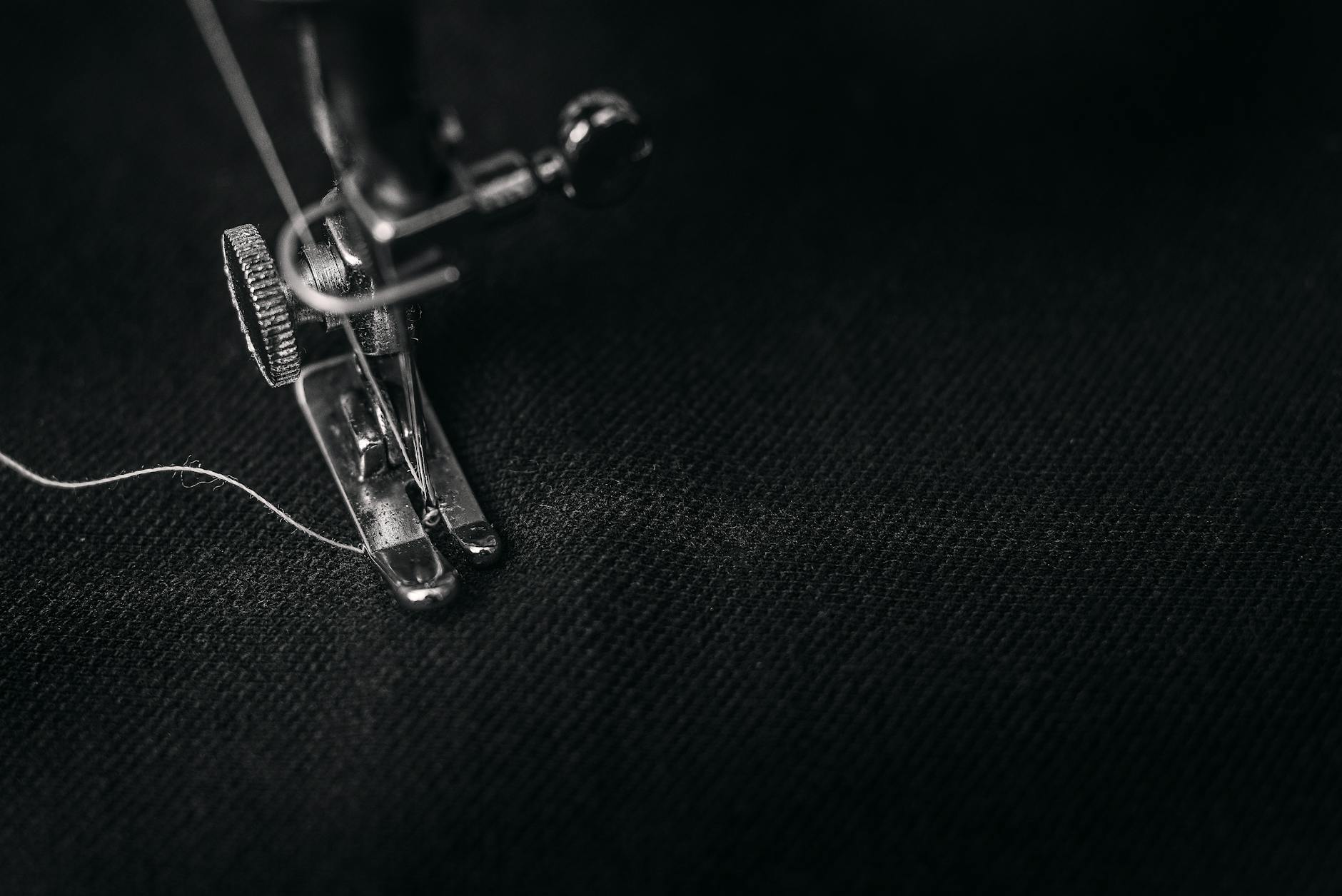
One a late Friday night, I was sewing a new set of chair cushions for the kitchen chairs. What started as a simple, cozy project slowly turned into something heavier.
As I worked, I found myself scrutinizing every detail. The pattern didn’t look perfectly centered. The stitching wasn’t as straight as I wanted. The more I stared at it, the more flaws I seemed to find. What was meant to be a creative and grounding project began to feel tense and pressured.
I put on a podcasts to distract myself from overthinking, but the internal criticism kept humming in the background. Then my boyfriend walked into the room, looked at what I was making, and said, “It doesn’t have to be perfect. As long as it works that’s all it takes.” And just like that, something softened. The strain eased. The simple pleasure of making these kitchen cushions for our kitchen had returned.
We’re often told that perfection equals success. That is we just try hard enough, polish enough, refine enough, we’ll finally feel worthy. But in my experience, that mindset slowly drained the joy out of everything.
The more I tried to get it “right”, the more frustrated I became. I stopped enjoying the process entirely. I compared. I tightened. I judged. I mistook harshness for discipline.
I understand now that perfectionism often grows from insecurity, from wanting to prove something, to someone. And while it can drive you forward, it can also quietly exhaust you. For me, it did. I think that’s exactly what caused my creative burnout. I grew tired of holding myself to a standard that felt like it was leading nowhere. So I took a break. I stopped everything. I stopped returning to those perfectionist cassette tapes I’ve carried in my mind for so long. And I breathed!
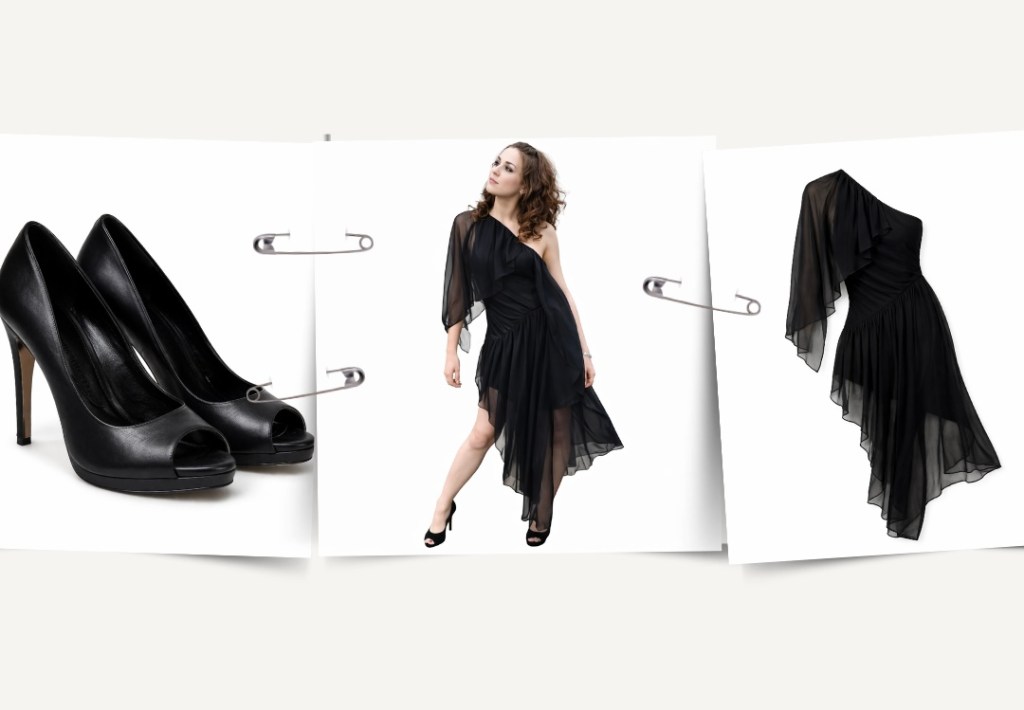
From time to time I had ideas to start projects, but the will to move forward with them just wasn’t there. Until I decided to go back to basics. Drawing. Coloring without expectation. Playing with colors simply because I wanted to. That alone began a quite shift. Eventually it expended into sewing. Certain techniques and pattern-making skills resurfaced from my years in the fashion department at SAIC (School of the Art Institute of Chicago). But this time, they didn’t feel like proof of anything. They felt like tools. Familiar. Neutral. Available.
There is something humbling about realizing how much our exhaustion comes from the meaning we attach to what we create. I don’t want to carry those old meanings into new work. I don’t want to create from this invasive intimidation that once drained the joy out of everything. The mind is persuasive, it can convince us that pressure equals purpose, the tightness equals discipline. But lately I’ve been noticing something softer, when I loosen the grip, ideas return on their own. Not forced. Not evaluated. Just present. And perhaps that is what healing looks like, it’s not a dramatic transformation, but a gentler way of seeing what is.


 HMLstudio
Leave a reply to anchorbriefly651f9985c3 Cancel reply